This post was adapted from Remembering Keegan: A BC First Nations Case Study Reflection.
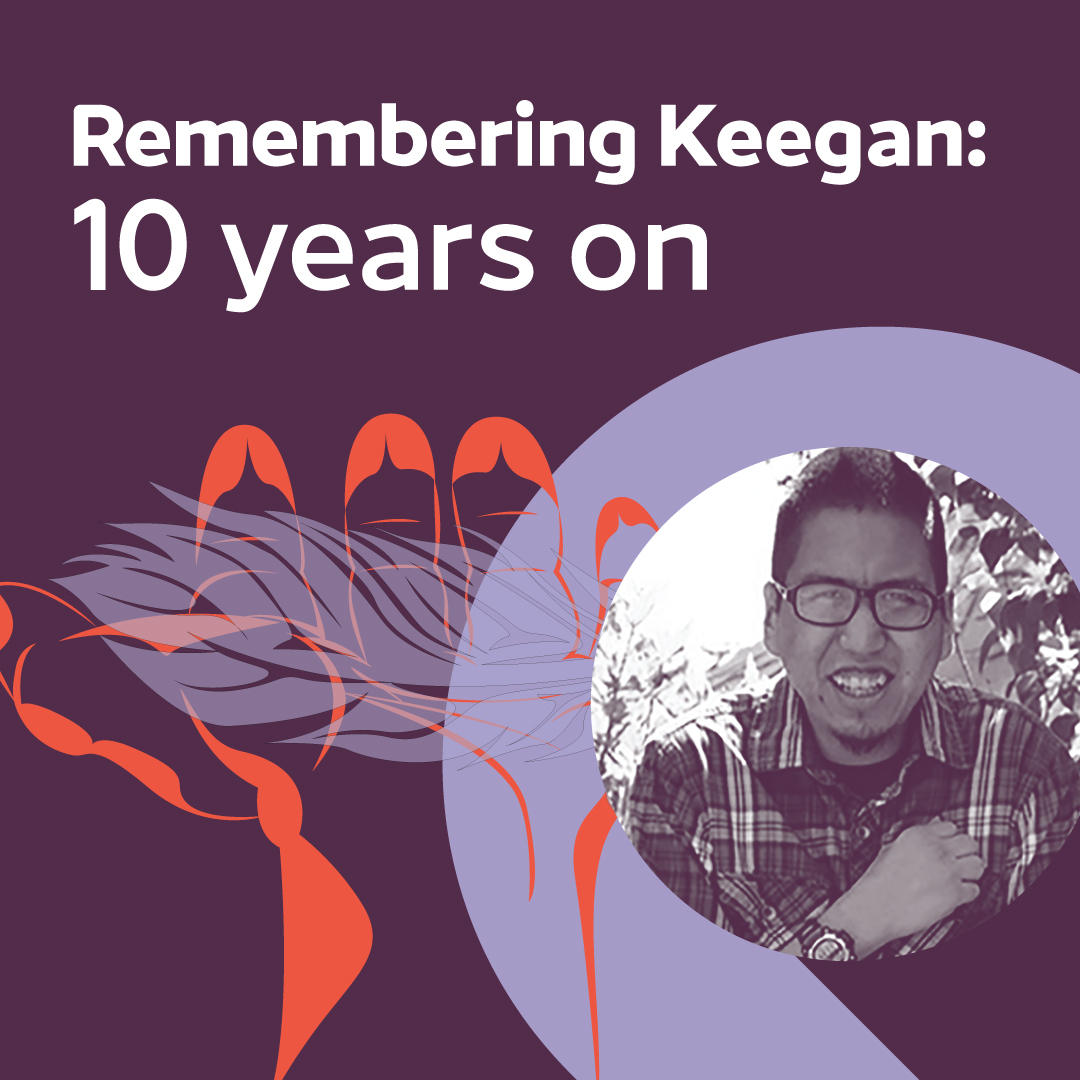
Keegan Combes – Sunrise: February 21, 1986 – Sunset: September 26, 2015
Today marks the 10-year anniversary of the passing of Keegan Combes, a member of the Skwah First Nation. Keegan died due to a series of preventable errors rooted in systemic and interpersonal racism.
We take this moment to pause, reflect, and acknowledge the historical and ongoing harms experienced by Indigenous Peoples in B.C.'s health-care system and reaffirm our commitment to addressing Indigenous-specific racism.
We also honour the life and legacy of Keegan Combes who is one of a number of people who have died due to Indigenous-specific racism. Remembering Keegan: a BC First Nations Case Study Reflection was publicly released on Feb. 21, 2022, gifted in ceremony to B.C. health-system leaders, including BCCNM, by Keegan's family.
At BCCNM we have incorporated many of the specific recommendations from the Remembering Keegan Case Study Reflection into the 2023 Redressing Harm plan, which serves as an our overarching guide towards Reconciliation. But it's more than that—it also continues to inform our day-to-day work at the college.
About Keegan Combes
Keegan Combes was a high school graduate, grade 10 pianist, and a champion chess player. He was enrolled in a trades' college at the time of his death and died due to a delayed diagnosis and treatment, following an accidental poisoning. Keegan also lived with disabilities and was non-verbal by choice, living with a caregiver, Rhianna Millman.
Keegan was delayed transport to the hospital, and it was only through Rhianna's advocacy that emergency health services transported him. At the hospital, lab results that identified the issue at hand were ignored. Information about Keegan's care was not provided to his family, and his discomfort and behaviour were dismissed as him being “difficult."
At one point, after he had fallen out of bed in the middle of the night, he was placed in restraints, without any documentation to show why that was necessary and without any proper monitoring for a person in restraints. Throughout the night, his vitals were deteriorating and hospital staff neglected multiple orders, protocols, and guidelines to involve the most responsible provider.
It took four different physicians, both senior and residents, before someone finally understood what was causing his medical crisis and initiated treatment, but by that point it was too late. Keegan died just over a day after being first admitted. Had treatment been initiated once the lab results were first available, he would have survived. The initial report from the BC Coroners Service and the health authority patient safety event review did not identify racism as contributing to his death.
The overarching message was that there were multiple opportunities for Keegan's life to be saved, and instead both he and his family dealt with barriers and racism stopping care from proceeding. Despite the patient safety event review and recommendations, another patient died under similar circumstances two years later, prompting Rhianna to escalate her concerns and bring them to the First Nations Health Authority, Fraser Health, the First Nations Health Council, and the BC Coroners Service.
The Case Study Reflection was gifted to the B.C. health-care system, including BCCNM, in ceremony on what would have been Keegan's 36th birthday. The goal of the case study is to teach leaders in the B.C. health-care system how Indigenous-specific racism is perpetuated in health care and how we can avoid further preventable deaths. We have grounded our approach to addressing Indigenous-specific racism in the learnings from Remembering Keegan and encourage all staff to review and learn from it.
Remembering Keegan is one of many reports that have looked at how Indigenous-specific racism leads to death in health care, but the reality is there are numerous other cases where this is happening every day. Our role as a regulator is to protect the public and that includes protecting them from racism in their health care. In this important work, we continue to be guided by Keegan's truth and Case Study Reflection. His life and legacy lives on in our commitment.